International Day for the Elimination of Sexual Violence in Conflict and the Ongoing State Impunity in Kenya
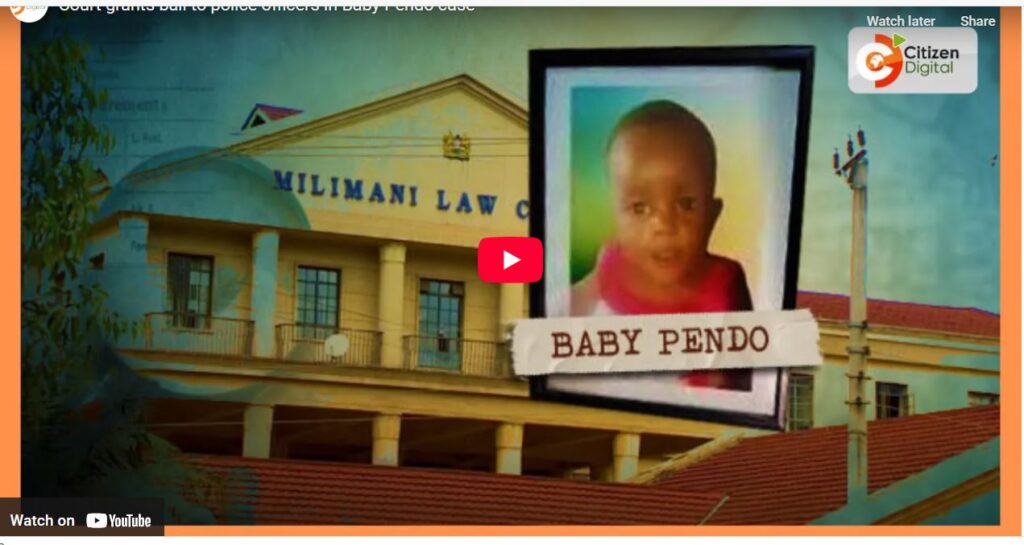
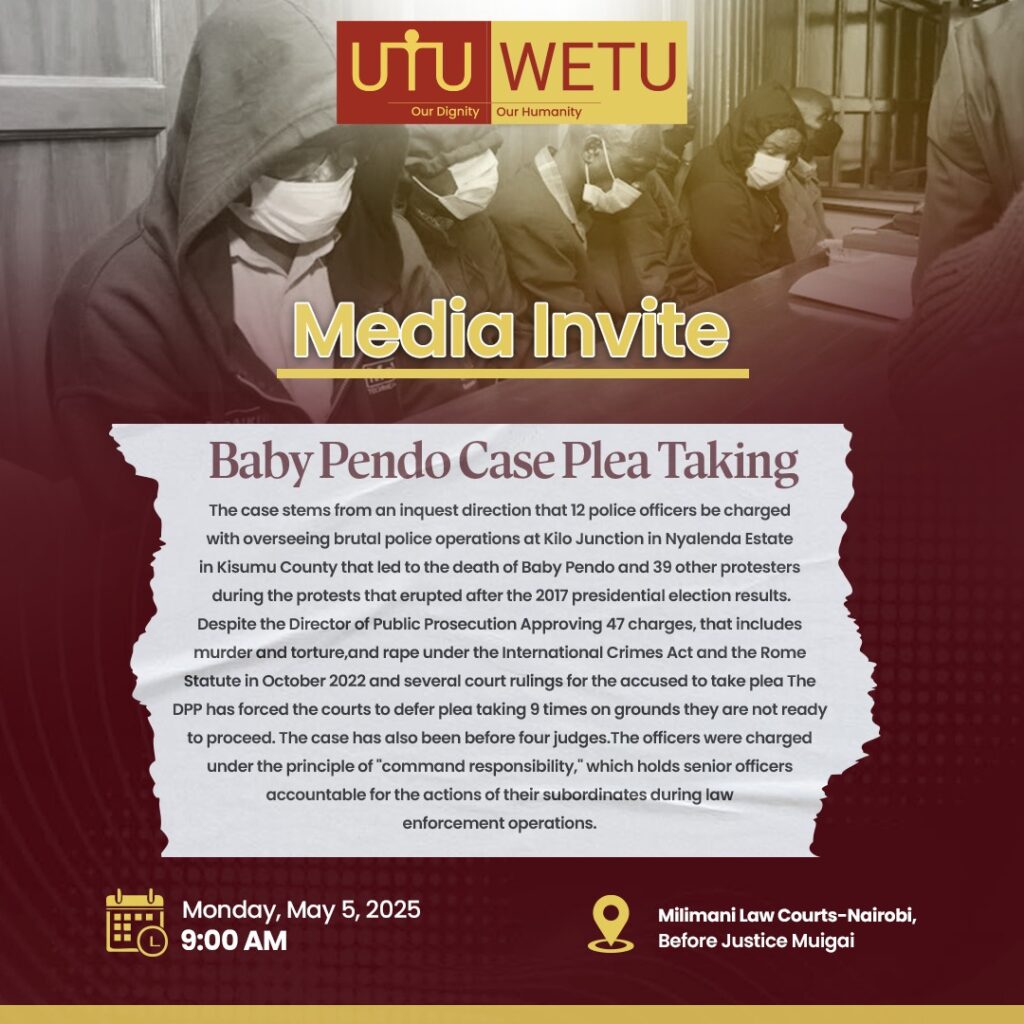
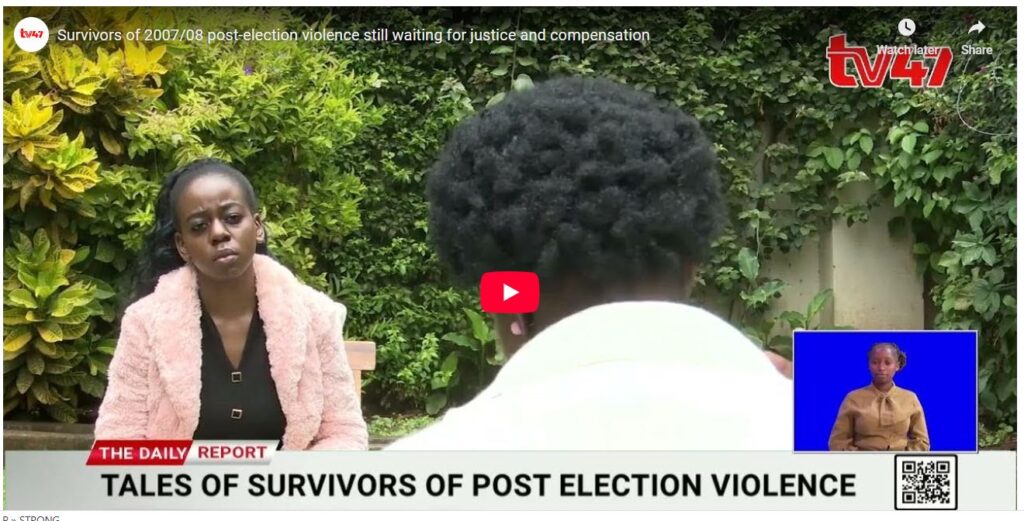
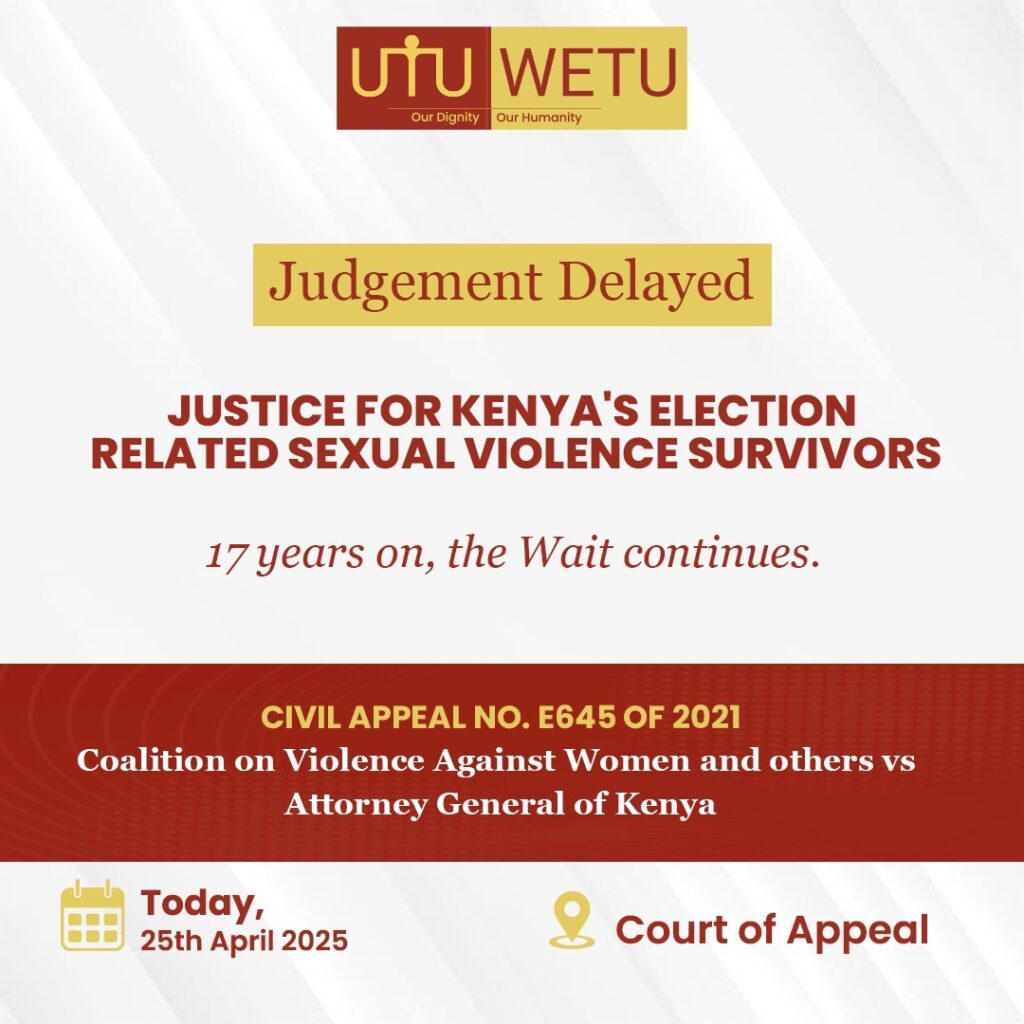
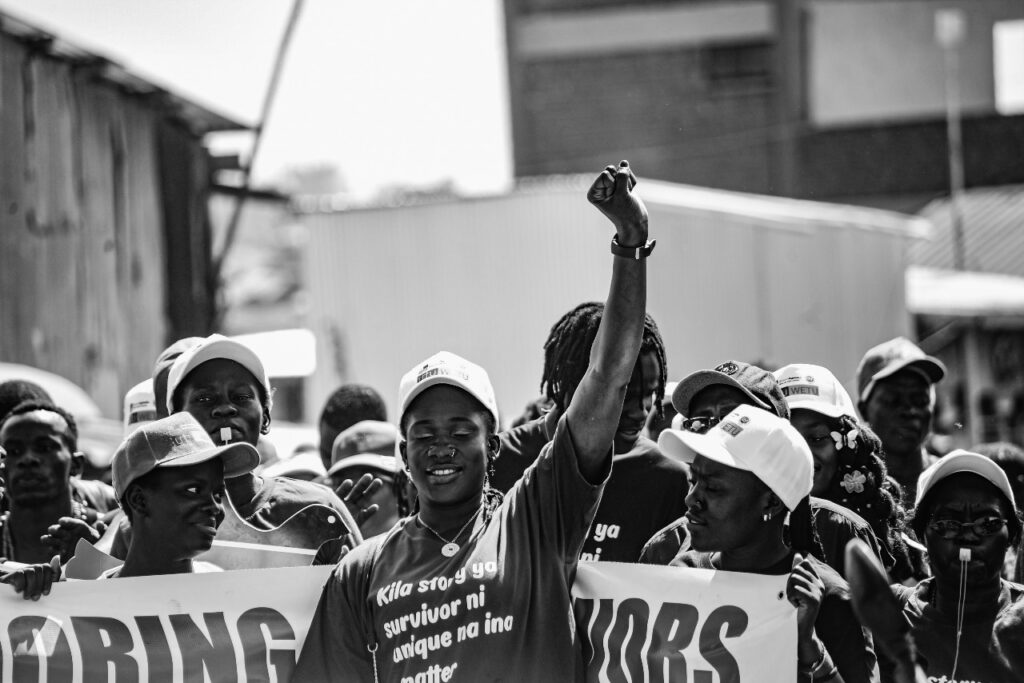
Today, on the International Day for the Elimination of Sexual Violence in Conflict, Kenya must come to terms with the fact that the violence which erupted during the 2007 post-election period did not simply end with the cessation of fighting, but instead laid the foundation for a sustained and disturbing pattern of silence, denial, and impunity that continues to shape the relationship between the state and its citizens. During that time, women were subjected to rape and other forms of sexual violence, men were assaulted in ways meant to humiliate and destroy, and families were torn apart as the violence swept through communities already fractured by political tension. From these events emerged Petition 122 of 2013, a case built by survivors who refused to be forgotten, and who dared to ask the state to take responsibility not only for what was done to them, but also for what has never been acknowledged or repaired. Although a court ruling later confirmed that the state had failed to protect some of these survivors, no senior government or police official has been held accountable, and many of the individuals who inflicted the violence remain in service or silence, untouched by justice. In 2017, during the repeat presidential election, this cycle of violence continued in Kisumu, particularly in Nyalenda, where police officers raided homes in response to protests and public unrest. It was during this time that Baby Samantha Pendo, a six-month-old child, was killed in her mother’s arms after officers broke down the door and began attacking everyone inside. Her parents were beaten. Neighbors were assaulted. Women reported being raped by officers who came not to protect, but to punish. These events were not isolated, nor were they chaotic reactions to disorder—they followed a pattern that Kenya has seen before, where law enforcement agencies use moments of political contestation to carry out acts of violence with the assurance that they will not be held to account. Survivors from the Baby Pendo case came forward, gave testimony, and identified those who had harmed them, and yet today, years later, the legal process drags on. At the same time, those most responsible remain in positions of authority, facing no real consequences for their actions. In 2025, a new wave of protests, led largely by young people often referred to as Gen Z, has brought the unresolved legacies of the past back into focus. These young protesters are taking to the streets to demand answers about public debt, taxation, economic inequality, and the cost of living. Still, they are being met with the same tools of repression that were used in 2007 and 2017—live bullets, arbitrary arrests, disappearances, and physical violence. What is striking is not simply that violence is being used again, but that it is being used in the exact locations, against the same communities, with the same methods, as if nothing has been learned, as if the state sees no need to change. These are not just security operations gone wrong. They are deliberate actions taken against unarmed civilians whose only demand is to be heard. The continuity of state violence from one election cycle to another, and now from elections to peaceful protests, suggests that impunity has become embedded in the culture of governance and that institutions meant to protect rights have either collapsed or been compromised. It is within this broader context that UTU WETU continues to walk alongside survivors, those who were violated during the 2007 post-election period, those who were harmed in 2017 during the Baby Pendo operation, and those who are now facing repression for simply raising their voices in protest. We believe that justice must go beyond court rulings and statements of concern. It must involve the actual prosecution of those who planned and executed these acts, the full implementation of court decisions such as the one delivered in Petition 122, and a thorough reform of the institutions that have repeatedly been used as instruments of violence rather than protection. Survivors should not be forced to relive their trauma through endless delays and broken promises. Communities should not have to mourn new victims before old wounds have even begun to heal. The state cannot continue to shift blame, postpone responsibility, or treat each wave of violence as if it has no connection to the one before. Until it is willing to confront the truth of what has happened, to name the individuals responsible, and to act on behalf of those it has failed, the cycle will not end. The names will change. The faces will change. But the pain, the fear, and the silence will remain. On this day, we do not just remember. We demand. We demand that the state recognize the full spectrum of violence that has occurred over time, that it stops treating sexual violence as a footnote in conflict, and that it begins the long, necessary process of restoring trust, dignity, and justice to the people it was meant to serve.